Introduction
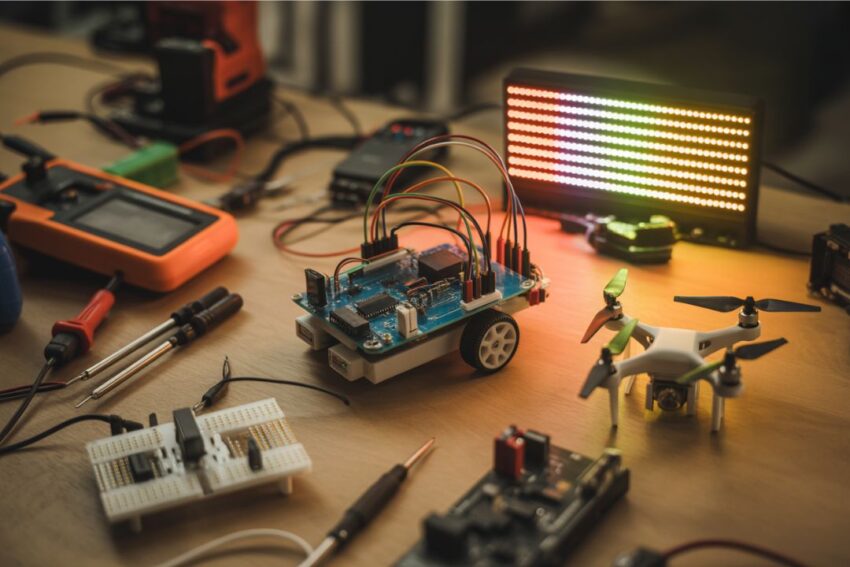
In today’s fast-paced technological world, the term DIY Tech Projects has become increasingly popular among hobbyists, students, and even professionals. DIY, or “Do It Yourself,” allows individuals to explore, experiment, and create technology-based solutions using their own skills, tools, and creativity. From simple electronics to complex AI-driven devices, DIY Tech Projects empower people to innovate and learn in an incredibly hands-on way.
The beauty of DIY tech lies in its accessibility. With affordable microcontrollers, user-friendly coding platforms, and an abundance of online tutorials, anyone can embark on a journey to create something technological from scratch. Whether you want to build a smart home system, a small robot, or even a wearable device, DIY projects offer endless possibilities.
Why DIY Tech Projects Are Important
- Hands-on Learning: One of the primary advantages of DIY tech projects is the opportunity to learn through doing. Unlike traditional theoretical learning, DIY allows you to test concepts in real-time, see the results of your work, and learn from mistakes. This hands-on approach reinforces knowledge and builds practical skills that textbooks alone cannot provide.
- Creativity and Innovation: DIY projects encourage out-of-the-box thinking. By tackling challenges, experimenting with different components, and designing your own solutions, you cultivate creativity. Many innovators and engineers credit their early DIY experiments as the foundation for their future breakthroughs.
- Problem-Solving Skills: Technology projects often involve troubleshooting circuits, debugging code, or integrating multiple systems. DIY projects enhance critical thinking and problem-solving skills, as creators must identify issues, analyze causes, and implement effective solutions.
- Cost-Effective Learning: Engaging in DIY tech projects can be much cheaper than enrolling in formal courses or buying ready-made gadgets. Basic tools and components are inexpensive, and many resources—including tutorials, forums, and open-source software—are freely available online.
- Community and Collaboration: The DIY tech community is vibrant and diverse. Online forums, social media groups, and local maker spaces provide opportunities for collaboration, mentorship, and feedback. Sharing your project and learning from others accelerates growth and knowledge.
Who Can Benefit from DIY Tech Projects?
- Students: High school and college students can gain practical knowledge of electronics, programming, and robotics, which can complement their academic studies.
- Professionals: Engineers, coders, and designers can experiment with new technologies and refine their skills.
- Hobbyists: Anyone interested in technology and hands-on creation can find joy and satisfaction in building something themselves.
- Educators: Teachers can use DIY projects to make STEM subjects more engaging for students, fostering creativity and curiosity.
Types of DIY Tech Projects
DIY tech projects are incredibly diverse. Depending on your interests, skill level, and available resources, you can choose projects in electronics, programming, robotics, or even home automation. Here is a detailed breakdown:
1. Electronics Projects
Electronics is the foundation of almost every DIY tech project. Beginners often start with small circuits, LEDs, and sensors, gradually moving to complex microcontroller-based projects.
- Microcontroller Projects: Devices like Arduino, Raspberry Pi, and ESP32 provide an easy gateway into electronics. Examples include automated plant watering systems, digital thermometers, and interactive LED displays.
- Circuit Building: Learning how to assemble circuits on breadboards or printed circuit boards (PCBs) strengthens understanding of electrical principles and component functionality.
- Wearable Tech: Integrating electronics into clothing or accessories—like LED-infused jackets or step-tracking shoes—offers a creative intersection of fashion and tech.
2. Coding & Software Projects
Software-based DIY tech projects focus on programming and app development. Coding projects allow individuals to create functional software or control hardware devices through code.
- Games & Applications: Beginners can start with simple games or productivity tools, progressing to mobile apps or desktop applications.
- Automation Scripts: Using programming languages like Python or JavaScript, DIY enthusiasts can automate repetitive tasks, such as file management or email alerts.
- Web-Based Projects: Building personal websites, online calculators, or IoT dashboards enhances both coding skills and project presentation.
3. Robotics Projects
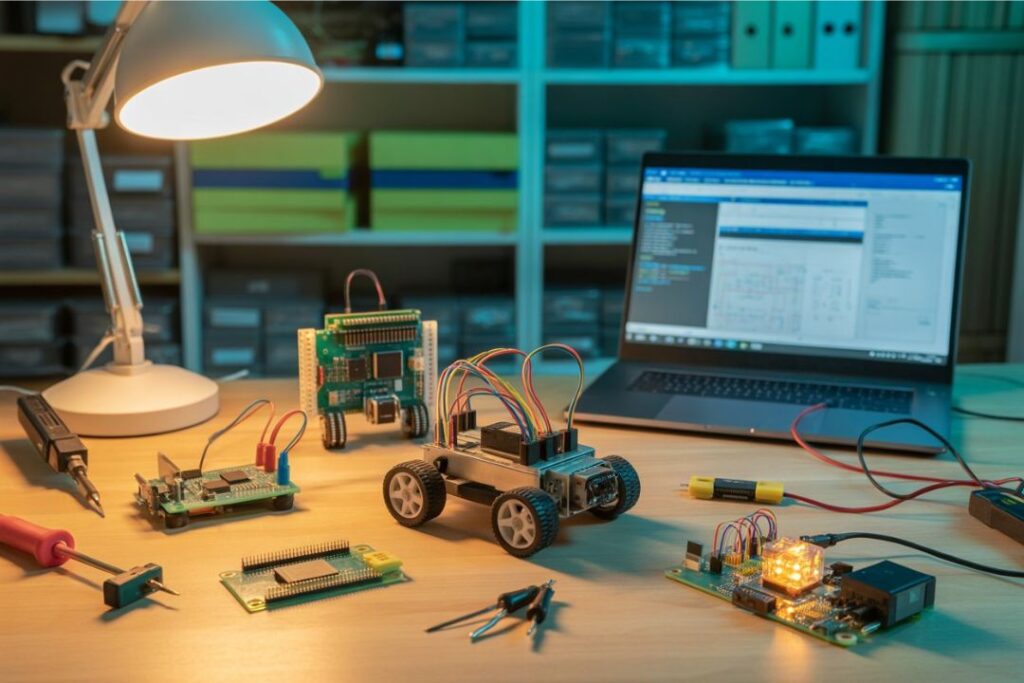
Robotics combines electronics, programming, and mechanics. DIY robotics projects teach principles of motion, sensors, and automation.
- Line-Following Robots: A great beginner project where a robot follows a designated path using sensors.
- Obstacle-Avoiding Robots: These robots use ultrasonic sensors to detect obstacles and navigate around them, offering hands-on experience with real-world robotics challenges.
- Robotic Arms: Advanced DIY projects can include robotic arms for precision tasks, integrating motors, sensors, and programmable control systems.
4. Smart Home Projects
Smart home technology is increasingly accessible for DIY enthusiasts. These projects enhance convenience, efficiency, and safety in daily life.
- Automated Lighting Systems: Using microcontrollers and smart switches, you can program lights to turn on/off based on motion or schedules.
- Home Security Devices: DIY cameras, motion sensors, and smart locks improve home safety while providing a tech learning experience.
- Environmental Monitoring: Sensors for temperature, humidity, and air quality can be integrated into smart home dashboards to optimize living conditions.
5. Wearable Tech Projects
Wearable devices are a growing trend in DIY tech. These projects combine electronics, software, and creativity to create functional or fashionable devices.
- Fitness Trackers: DIY step counters or heart rate monitors allow hands-on experience with sensors and data analysis.
- Smart Clothing: Integrating LEDs or touch sensors into clothes can produce interactive designs for events or performances.
- Assistive Devices: Wearable tech can support accessibility, such as smart gloves for gesture recognition or navigation aids for the visually impaired.
6. Internet of Things (IoT) Projects
IoT connects devices to the internet, enabling remote control, monitoring, and data collection. DIY IoT projects combine software, hardware, and networking.
- Smart Gardening Systems: Monitor soil moisture and automate watering using IoT-enabled sensors.
- Remote Home Monitoring: Track energy usage, door locks, or appliance status from your smartphone.
- Data Collection Projects: Collect environmental data like temperature, humidity, or pollution levels and analyze it for insights.
Frequently Asked Questions (FAQs) About DIY Tech Projects
1. What are DIY Tech Projects?
DIY Tech Projects are technology-based projects that individuals can build, experiment with, and learn from on their own. They can involve electronics, programming, robotics, IoT, or wearable devices. The term “DIY” emphasizes hands-on learning and self-driven innovation.
2. Are DIY Tech Projects suitable for beginners?
Yes! There are plenty of beginner-friendly DIY Tech Projects, such as blinking LEDs, digital thermometers, or simple automation systems. Starting small helps you build foundational skills before moving on to more complex projects.
3. What tools are needed for DIY Tech Projects?
Essential tools include:
- Basic electronics tools (screwdrivers, pliers, wire cutters)
- Breadboards and jumper wires
- Microcontrollers like Arduino or Raspberry Pi
- Sensors and modules
- Coding software (Arduino IDE, Python, etc.)
- Safety equipment (glasses, gloves)
4. Can I do DIY Tech Projects on a budget?
Absolutely. Many DIY Tech Projects require only affordable components, and online tutorials are often free. Beginner projects can cost less than $50, making it accessible for most hobbyists and students.
5. How can DIY Tech Projects help my career?
DIY Tech Projects develop problem-solving, electronics, and programming skills that are valuable in STEM fields. They can be added to your portfolio, helping with college applications, internships, and job opportunities.
6. Where can I find project ideas and tutorials?
- Arduino and Raspberry Pi official websites
- Maker communities like Instructables and Hackster.io
- YouTube channels focused on electronics and robotics
- Forums such as Reddit r/DIYTech or Stack Exchange electronics
Conclusion
DIY Tech Projects are a remarkable way to learn, innovate, and bring your ideas to life. Whether you are a student exploring STEM subjects, a hobbyist looking for a creative outlet, or a professional wanting to experiment with new technology, DIY projects provide hands-on experience and valuable skills.
Starting with beginner-friendly projects, such as LED blinkers, automated plant watering systems, or motion-activated lights, allows you to gain confidence while building a foundation in electronics and programming. As you grow more comfortable, you can tackle intermediate and advanced projects like robotics, smart home systems, or AI-powered devices.
These projects do more than teach technical skills—they enhance creativity, problem-solving, and critical thinking. They also open doors to career opportunities and provide a platform for sharing knowledge within vibrant maker communities.
By embracing DIY Tech Projects, you are not just building devices—you are developing skills, experimenting with ideas, and becoming part of the global culture of innovation. The possibilities are endless, and every small project you complete is a step toward becoming a skilled creator in the world of technology.